
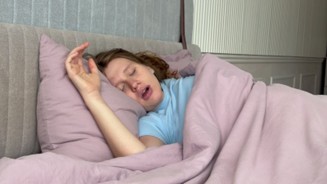
Being unable to breathe while asleep can take its toll on your overall health and well-being. Although you may know plenty of people living with sleep apnea who are not currently receiving treatment, it doesn’t mean that you should follow suit. Neglecting professional care for this common condition will eventually lead to more serious problems down the road, so before you forgo the idea of seeing a trusted expert, read on to discover what can happen if you choose to avoid essential treatment.
What Are the Consequences of Untreated Sleep Apnea?
While it might seem as if loud snoring is the worst part of having sleep apnea (especially for your bed partner), it is far from being the most damaging symptom.
Choosing to forgo treatment for obstructive breathing can have serious consequences that affect more than just your ability to get adequate rest each night. Additional health-related problems can occur, such as:
- High blood pressure
- Heart failure
- Stroke
- Diabetes (Type 2)
- Heart disease
- Obesity
- Asthma
- Depression
- Memory loss
Also, the longer you go without treatment, the greater the risk of experiencing drowsy driving, the inability to focus, and chronic fatigue.
How Can Sleep Apnea Contribute to Overall Health Problems?
There are many different links between your inability to breathe freely and the rest of your body. Each time a blockage occurs, the brain must alert the body to breathe. When this happens multiple times each night, you can become stressed, resulting in high blood pressure and low oxygen in your blood. If left untreated, it can lead to heart attack, stroke, and other cardiovascular problems.
Also, your inability to get essential rest can affect your mental health, as depression is likely to occur. The chronic fatigue you experience will make it difficult to ensure a positive performance at work as well as maintain healthy personal relationships. Over time, this can negatively impact how you feel about yourself.
What Kind of Treatment is Available for Sleep Apnea?
Depending on the severity of your sleep apnea, a professional might recommend one of the following options:
- CPAP (continuous positive airway pressure) therapy
- Oral appliance therapy (OAT)
- Combined therapy (CPAP & OAT)
- Surgery (only in the most extreme situations)
While CPAP devices are the most commonly used method of treatment, many individuals struggle with their bulkiness and loud noise. Fortunately, oral appliances have proven to be highly effective in treating individuals with sleep apnea. Not only are they customized to fit snugly and comfortably inside the mouth, but they’re small and portable, so you can easily travel with them.
Seeking professional help for sleep apnea will give you the best chance to enjoy life to the fullest. Don’t risk your physical, mental, and emotional well-being; instead, get the help you need today so that you can start breathing and sleeping better.
About the Author
Dr. Joanne Bancroft earned her dental degree from the State University of Buffalo School of Dental Medicine in 2002, and she completed a General Practice Residency at the University of Colorado School of Dental Medicine. As one of Colorado’s Top Dentists in 2020, she is pleased to provide sleep apnea treatment in addition to the array of general dentistry services offered in her Westminster office. If you are struggling to breathe and achieve adequate rest, contact us at (720) 458-6561.